 +91 8248827895 |
  absolutevitalhealth@gmail.com
 Joint Pain
Sports Injuries
About Sports Injuries
Most sports injuries are due to either trauma or overuse of muscles or joints. The majority are caused by minor trauma involving muscles, ligaments, tendons, or bones resulting in swelling, strain, sprain, tears or fractures.
SPRAIN A sprain occurs when a ligament, which is a band of fibrous tissue that connects bones to other bones and provides stability to joints, is stretched or torn. Ligaments are crucial for maintaining joint stability and controlling joint movement.
Common Areas Affected by Sprains
- Ankles: Ankle sprains are among the most common types. They usually happen when the foot twists or turns unexpectedly, causing the ligaments around the ankle to stretch or tear. This often results in swelling, pain, and difficulty walking.
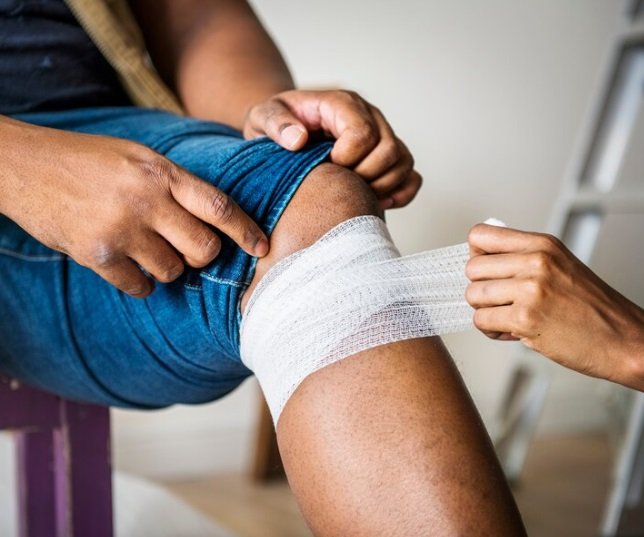
- Knee sprains can occur from sudden twists or impacts, such as those in sports. The knee has several ligaments, and sprains can involve any of these, such as the anterior cruciate ligament (ACL) or the medial collateral ligament (MCL), Meniscal tear.
- Wrists: Wrist sprains often happen from falls or impacts that force the wrist into an unnatural position. Symptoms include pain, swelling, and bruising around the wrist.
STRAIN
STRAIN A strain involves an injury to a muscle or tendon (the tissue that connects muscles to bones). It occurs when these tissues are overstretched or torn due to excessive force, overuse, or improper movement. Unlike sprains, which involve ligaments, strains involve muscles and tendons.
Common Types of Strains:
Common Shoulder Injuries
STRAIN A strain involves an injury to a muscle or tendon (the tissue that connects muscles to bones). It occurs when these tissues are overstretched or torn due to excessive force, overuse, or improper movement. Unlike sprains, which involve ligaments, strains involve muscles and tendons.
- Rotator Cuff Tears: Often result from repetitive overhead movements (common in baseball and swimming) or acute trauma. Pain, weakness, and limited range of motion in the shoulder. Difficulty performing overhead activities and night pain are also common.
- Shoulder Sprains: Can occur from falls, collisions, or overstretching, affecting the ligaments around the shoulder. Pain, swelling, and reduced range of motion. Depending on severity, it might range from mild discomfort to significant pain and dysfunction.
- Bicipital tendinitis: inflammation of biceps tendon
- Subacromial bursitis: collection of fluid in bursa due to rotator cuff sprain/tears
Other Common Injuries In Lower Body
- Hamstring Strain : Often occur in sports requiring explosive movements, such as sprinting or jumping, leading to overstretching or tearing of the hamstring muscles. Sudden sharp pain in the back of the thigh, tenderness, bruising, and difficulty walking or moving the leg.
- Achilles Tendonitis : Achilles Tendonitis is caused by overuse, especially in runners and jumpers. It causes pain in the back of your leg above your heel bone.
- Plantar Fasciitis : Plantar Fasciitis is a condition that occurs when the fibrous tissues connecting the heels to the toes become inflamed. It mostly affects runners and ballet dancers.
Treatment And Management
- RICE protocol (Rest, Ice, Compression and Elevation) and oral analgesics
- Regenerative Therapy
- PROLOTHERAPY
- PLATELET RICH PLASMA
- GROWTH FACTORS
- Followed by Physical Therapy & Gradual strengthening exercises
Frequently Asked Questions
Sports injury treatments are aimed at faster and complete recovery without surgery. Newer treatments include Regenerative techniques such as prolotherapy, PRP which utilise the body's own healing mechanisms to do the repair. If you are looking for non-surgical treatments for sports injuries, Absolute Vital Health offers sophisticated regenerative medicine techniques for the same. Dr.Ayshvarya Ramalingam is a Diplomate of American Board of Regenerative Medicine and is experienced in treating sports injuries with regenerative techniques.
In minor injuries like muscle soreness, small strain, bruise, the athletes can continue playing but with caution not to further worsen the injury. It is ok to continue if the pain is manageable, there is no swelling or instability, there is no worsening of pain with activity. If you are not sure if your injury is minor or major, reach out to Dr.Ayshvarya Ramalingam, the pain specialist.
Recovery from sports injury depends upon the age of the patient, physical fitness, the severity of the injury and the nature of the injury. Muscle, Ligament and tendon injuries when mild-moderate take 6weeks to 3months. Bone injuries take longer to heal. It also depends on how soon the treatments were started after injury. Absolute Vital Health in Aikiya Healthcare offers modern Regenerative medicine techniques that can hasten these healing processes and support a more complete recovery when supported with physical therapy.
Must seek medical attention when there is severe pain, rapid swelling, inability to use your limb, and visible deformity, feeling of locking of a joint, or hearing pop sound while using the joint; any numbness, tingling sensation. Dr.Ayshvarya Ramalingam suggests that you get yourself examined if you have significant pain after sustaining an injury.
Yes, ignoring a minor sports injury can sometimes end up in serious problems like a minor partial tear with continuing stress resulting in complete tear requiring surgical treatment. When a problem is identified early, adequate rest, supportive regenerative treatments can help in complete recovery. Book an appointment with Dr.Ayshvarya Ramalingam to find out if your injury needs supportive treatment or not.